
 La Venticinquesima Ora


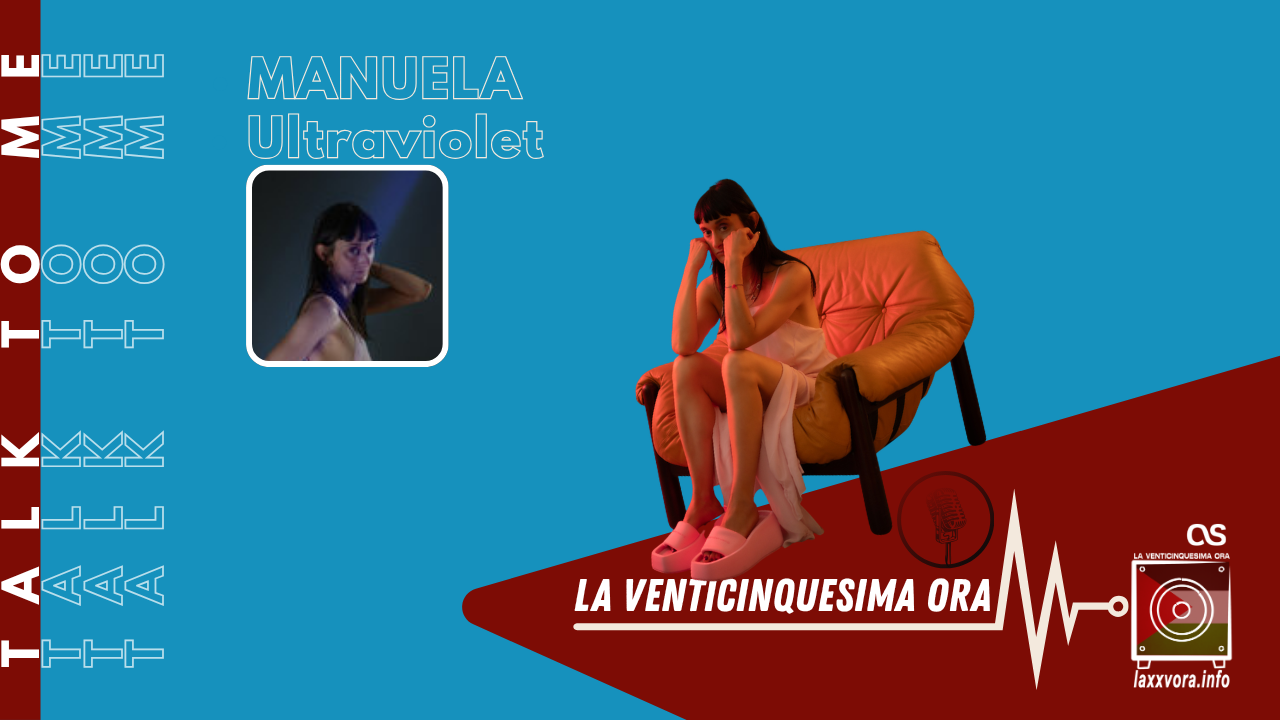
- Band: Manuela
- Titolo: Ultraviolet
- Etichetta: Lost Map Records
- Genere/Stile: Indie Folk, Indie Pop
- Paese: Londra, UK - Monaco, Germania
- Uscita: 5 giugno 2026
Ultraviolet e il linguaggio delle cose invisibili
Esistono artisti che concepiscono la musica come una ricerca di varchi, e Manuela appartiene a questa rara categoria: musiciste capaci di dare forma a ciò che è ancora privo di nome. Le sue composizioni abitano una zona intermedia, un territorio dove memoria, intuizione e percezione si fondono senza confini prestabiliti. Il suo nuovo album, Ultraviolet, fiorisce esattamente in questo spazio: quella dimensione che precede le parole, la chiarezza e le definizioni rigide.
La formazione di Manuela è un mosaico di mondi diversi, lingue sovrapposte e sensibilità in costante dialogo. La sua cifra stilistica riflette questa pluralità attraverso melodie eteree e gesti minimali; una delicatezza che non va confusa con la fragilità, quanto piuttosto interpretata come una forma estrema di attenzione. Ogni brano è un tentativo di catturare un'immagine prima che svanisca, trasformando la scrittura in un atto di conservazione dell’effimero.
Il progetto trova la sua naturale collocazione presso Lost Map Records, una delle realtà indipendenti più solide e identitarie del Regno Unito. Fondata sull'isola di Eigg, l’etichetta ha saputo creare una comunità basata su artigianalità e cura del dettaglio. Più che una semplice casa discografica, Lost Map è un vero ecosistema: una rete di artisti che prediligono la sincerità alla velocità. Per Manuela, affidarsi a questa realtà non è stata una semplice scelta commerciale, ma un autentico gesto di appartenenza.
L'intervista che segue riflette il ritmo della sua musica: uno scambio pacato, denso di immagini che affiorano come improvvisi lampi di luce.
Ecco il suo racconto.
Le tue canzoni sembrano scritte in un luogo tra memoria e intuizione, come se arrivassero prima ancora di essere comprese. Da dove nasce di solito un brano di Manuela: da un’emozione, da un suono, o da un frammento di storia?
Un luogo intermedio, direi che hai colto bene. È proprio ciò che il titolo del nuovo album, Ultraviolet, cerca di esprimere. La scrittura spesso comincia con un incontro: può essere una persona su un autobus, un personaggio immaginario, una luce particolare. Qualcosa che ti afferra e che non riesci a nominare. Scrivere significa cercare di capire qualcosa di intangibile, prima per me stessa, poi dandogli una forma. "In Ultraviolet c’è un bellissimo senso di misura: piccoli gesti, dettagli quieti, spazi lasciati aperti. Come decidi cosa tenere e cosa lasciare andare nella scrittura e nella produzione? L’editing accompagna tutto il processo. La scrittura spesso inizia come un caos totale, e alla fine peschi le parti buone. Lo stesso può accadere con le melodie: inventi versioni che poi capisci essere terribili. A un certo punto arrivi in un luogo in cui la canzone è giusta, come se non ti appartenesse più. Lì è finita. Ogni tanto capita un brano che arriva di colpo, ma la maggior parte attraversa molte incarnazioni. Per questo album è stato un piacere lavorare con Nick e Polina Lapkovskaja. Nick ama creare un suono eccessivo, vuole essere immerso nel suono. Polina ha un background teatrale e ha portato momenti cinematografici. Alla fine abbiamo lavorato insieme per ridurre, per tornare all’essenziale. L’editing può essere doloroso: c’è un termine per questo, “uccidere i tuoi cari”. Ognuno di noi ha dovuto lasciar andare qualcosa. Nel disco c’è una certa ricchezza, che si lega al tema un po’ fantastico di Ultraviolet. Ma anche una semplicità necessaria, per trasmettere la sensazione di un monologo interiore.
Lost Map Records ha una sensibilità molto riconoscibile, intima, artigianale, un po’ magica. Come ha influenzato il tuo modo di pensare alle canzoni o alla tua identità artistica?
Sono completamente d’accordo. È stata una scelta molto consapevole pubblicare con Lost Map. Hanno sempre seguito la loro strada, con una certa ostinazione. Ciò che rappresentano è diventato raro negli ultimi anni. Quella che chiami “intimità” riguarda la rete di artisti e ascoltatori che hanno costruito. È diventata fondamentale. Con tutto che è digitale, sembra che le cose sfuggano di mano, che come artista tu non abbia controllo. Circondarsi di persone che ti somigliano, che condividono valori, visione e senso dell’umorismo, è diventato prezioso
Le tue melodie sembrano portare qualcosa di non detto, quasi un segreto. C’è un’emozione o un tema a cui torni spesso, anche senza volerlo?
Il tema ufficiale dell’album è lo spazio intermedio. Qualcosa che non possiamo vedere, ma che sappiamo esistere. Da qui il titolo Ultraviolet: un fenomeno scientifico che l’occhio umano non percepisce. Insetti, alcuni uccelli e, a quanto pare, alcuni bambini possono vederlo. Lo trovo bellissimo e molto adatto. Direi che c’è anche una malinconia di fondo. “Lasciare andare” e “partenze” sono temi ricorrenti, non pianificati, che ritornano. La partenza è anche un luogo di riconoscimento e gratitudine.
Laetitia Sadier ha una presenza unica, la sua voce porta calore e una chiarezza quasi filosofica. Cosa ha aperto per te la sua partecipazione a Ultraviolet?
Assolutamente. È un’icona. La ammiro profondamente come artista e come persona. È molto filosofica, con idee politiche chiare. Parla spesso dell’importanza della comunità. Il suo modo di cantare è misurato, con un’eleganza discreta. La sua parte in coniine è stata registrata a distanza. Le abbiamo mandato il brano senza spiegare troppo. Quando è tornata la sua registrazione, sono rimasta colpita: aveva colto esattamente il personaggio che cercavo di descrivere. Senza una sola parola. Una connessione telepatica. Da questo ho imparato una cosa: non serve spiegare tutto. Molto può essere raccontato meglio nell’astrazione.Detto questo, amo una buona storia.
Immagina che una tua canzone venga trovata da qualcuno che non conosce la tua lingua, la tua storia, il tuo mondo. Cosa speri che senta, e cosa ti piacerebbe che fraintendesse?
È curioso che tu lo chieda. Anche se do grande importanza ai testi, spesso durante la scrittura e la registrazione arrivo a un punto in cui smetto di sentirli, come se stessi cantando in una lingua inventata. Di solito è un buon segno. Se qualcuno non capisse la mia lingua, spero che percepisca tenerezza, fragilità, dramma. E bellezza, naturalmente.Un fraintendimento benvenuto? Mi piacerebbe pensare che, senza conoscere la lingua, si senta un insieme di fiabe.
Le parole di Manuela hanno la stessa qualità delle sue canzoni: arrivano con calma, ma restano. Ogni risposta apre un’immagine, un gesto, un modo di guardare il mondo. "Ultraviolet" è un disco che vive negli interstizi, nelle sfumature, nei dettagli che sfuggono alla vista. È un lavoro che parla di ciò che non si vede ma si percepisce, di ciò che non si dice ma si sente. Lost Map è il luogo ideale per custodire questa sensibilità: una comunità che crede nella delicatezza, nella cura, nella possibilità di creare mondi piccoli e intensi.Manuela scrive per dare forma all’invisibile.
E in questo disco, l’invisibile brilla.
Q&A INTEGRALE IN INGLESE
Where does a Manuela song usually begin: with a feeling, a sound, or a fragment of a story?
A place in between, I think you are quite right about that. This is what the title of the new album ‘ultraviolet’ is trying to convey. The writing often starts with an encounter of some sort: this can be a person on a bus, or a fictional character, a particular lighting… Something that grasps you and you can’t quite name it. The writing is trying to figure something intangible out for myself; then to give it a shape.
How do you decide what to keep and what to let go of when you’re writing or producing?
The editing goes on all the way through. The writing often starts as a total mess and finally you fish out the good bits. Then the same thing might happen with the melodies. You might make up versions of a tune that in retrospect you realise were just hideous. Finally you get to a place where the song is right, where it is all of a sudden out of your hand. Then it’s done.
For me this really is the process. Very occasionally you get one that just jumps out! But the majority of the songs have numerous incarnations. And finally the recording and production. For this album it has been a great pleasure to work with Nick and Polina Lapkovskaja as a production team. Nick loves to create a real excessive sound, he wants to be covered in sound. Polina has got a background in writing for theatre productions, and has brought in cinematic moments. But again at the end of the production process we were going through it together to edit it back down. The editing can be quite painful, there is a term for it: ‘kill your darlings’. Each of us had to let go of some darlings. There is a lushness to the new record which goes with the slightly fantastical theme of ‘ultraviolet’. But also a simplicity, which is necessary, to convey the sense of an internal monologue.
How has working with Lost Map influenced the way you think about your songs or your artistic identity?
I totally agree with that! It has been a very conscious decision to release the record with Lost Map. They have always done their thing. There is a certain stubbornness to it. What they represent has become very rare over the last few years. What you call ‘intimate’ is referring to the network of artists and listeners that they have created. This has become increasingly important. With everything being digital – it also feels like things are out of your hand – that as an artist you have no control. Surrounding yourself with a network of people that feel like you, who share your values, outlook and… sense of humour, has become immeasurably important. Is there an emotion or a theme you find yourself returning to, even when you don’t plan to?
The official theme of the album is the space in between. Something that we cannot see, but still we know it exists. Hence the album title ‘ultraviolet’ – using ultraviolet light as a reference: a scientific occurrence which the human eye can’t perceive. Insects and certain birds can see ultraviolet light, and also apparently some children. I think that’s very beautiful and very fitting. Further, I would say there is an underlying sense of melancholy. ‘Letting go’ and ‘departures’ are reoccurring themes, that I haven’t been planning for, which keep coming back. The departure is also a place of appreciation and recognition.
What did Laetitia Sadier open up for you on Ultraviolet?
Absolutely! She truly is an icon. I have huge admiration for her as a musical artist and as a person! She is a very philosophical person, and has clear political views. She is vocal about the importance of community in the current climate. Her style of singing is measured and has an understated coolness. Her contribution to the track ‘coniine’ was recorded remotely.
We sent her the song, without explaining too much about the story. When her recording came back, I was amazed how she had captured the character I had been trying to describe exactly. Without using a single word. A telepathic connection! I would say this is what I took from that one. You don’t have to spell everything out. Trust that a lot can be told best in abstraction.
That said: I do love a good story!
What do you hope someone who doesn’t know your language would feel? And what would you like them to misunderstand?
It’s funny that you should ask this. Although I place great importance on my lyric writing, quite often during the songwriting and recording process, I get to a point where I stop hearing the words myself – like I am singing in a made up language… That’s when I usually know that things are going the right direction. If someone didn’t understand my language, I would hope that they would still get the overall sense of tenderness, but also brittleness and drama. And beauty of course! A welcome misunderstanding?
I would love to think that without knowing the language, you would hear a bunch of fairytales.